
Case Study: How a Fall Supervision Breach Expert Witness Reviewed Missed Monitoring in a High-Risk Neurological Patient

When complex needs are known, but close supervision fails in practice
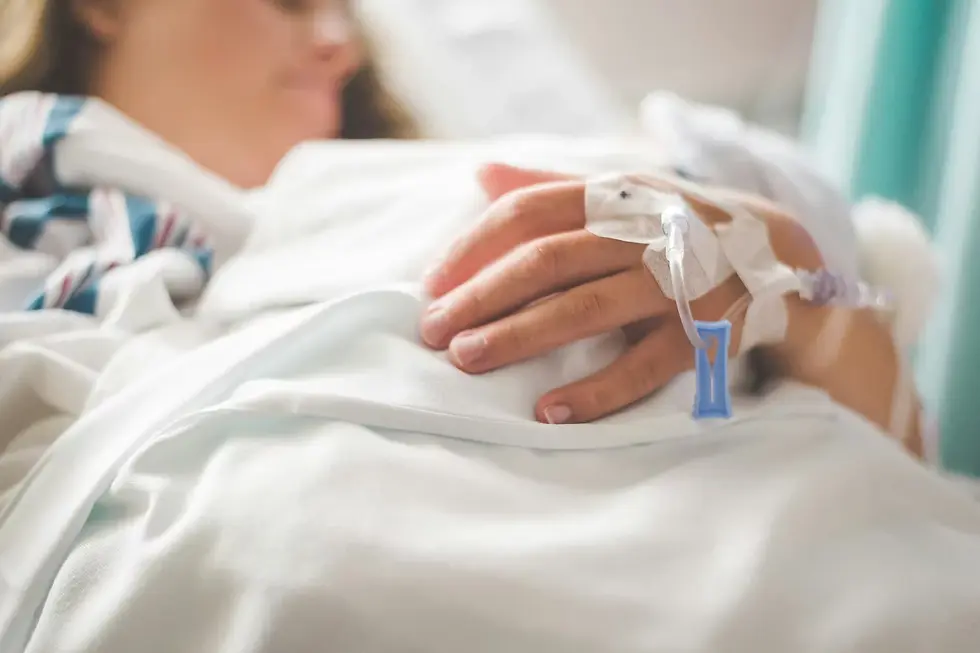
This case involved a medically fit but behaviourally complex patient, admitted after a serious neurological event. She had documented episodes of confusion, agitation, emotional volatility, and unpredictable mobility, well known to her clinical team. Though she had already fallen multiple times during admission, the most severe fall occurred when the designated supervising staff member was not present in the bay.
An Apex fall supervision breach expert witness reviewed the care provided and concluded that this fifth and most serious fall, unlike the earlier ones, was avoidable and represented a clear failure of close monitoring standards. Despite recognising the risk, the patient was left unsupervised, leading to a fall requiring critical care intervention.
What the fall supervision breach expert witness identified in care planning and oversight
The expert was instructed to address breach of duty and found that:
Falls risk assessment tools were not completed correctly and lacked important detail
Care planning was reactive and inconsistent, especially around supervision requirements
The patient was known to be at very high risk due to her agitation, cognitive impairment, and recent neurological intervention
1:1 supervision was sporadically implemented and not documented as standard practice
Handover between wards failed to communicate supervision needs
On the night of her final fall, the HCA assigned to observe her was not present in the bay
“This case is not about whether risk was identified, it was. The issue is that the designated staff member was not present at the bedside. That absence directly led to the fall.”— Apex Fall Supervision Breach Expert Witness
What a fall supervision breach expert witness expects in complex neuro-psych presentations

When patients present with post-bleed cognitive disturbance, aggression, and unpredictable mobility, expert standards of care would include:
Robust risk documentation updated daily and after each fall
Consistent 1:1 or cohort supervision based on current risk, not just admission notes
Escalation to senior nurses if supervision is interrupted for any reason
Handovers that document not just fall risk but how supervision is to be delivered
Immediate review if a staff member is temporarily unavailable to supervise
This patient’s complex risk profile was acknowledged but not acted upon with reliable supervision. Her most serious fall occurred during a gap in bay observation, a clear breach of duty.
Early falls were unpredictable, but the final fall was preventable
The expert distinguished between the five total falls. The earlier incidents occurred despite staff being nearby or while allowing privacy during toileting. However, the final fall happened in a bay tagged for high-risk patients, with no supervising HCA present. This absence, combined with the patient's known needs, resulted in an injury requiring critical care and surgical intervention.
The expert concluded this final fall was preventable and that this failure in maintaining planned supervision standards rendered the case indefensible.